

Thermally modified wood: decking, siding & interiors
Thermally modified wood is a natural wood product that’s been transformed using heat and steam to make it more durable, stable and suited to challenging environments without relying on chemicals. The process changes the wood’s internal chemistry and structure, enabling it to outperform untreated and even treated lumber in outdoor applications.
What is thermally modified wood?
When wood is heated in a controlled, low-oxygen environment to between 180 and 250°C (350 to 480 °F), the component called hemicellulose disappears. That’s the wood component most prone to absorbing water and feeding decay organisms. The result is wood that resists moisture uptake, decay, and insect attack significantly better than untreated wood.
Because no chemical preservatives are used, thermally modified wood remains a natural and environmentally friendly material. Typical species used are ash, poplar and maple as well as coniferous species like pine and hemlock. Heat treating can give wood a richer brown colour that can either be maintained or allowed to weather to a silvery gray over time.
Benefits for homeowners
Enhanced durability and rot resistance
The thermal treatment makes wood biologically inert by removing sugars and components that fungi and insects feed on. This gives thermally modified wood high resistance to rot, mold, and decay—particularly valuable for decking and exterior cladding.
Dimensional stability
Thermally modified wood swells and shrinks less, as there is less moisture fluctuation. That translates to decks and siding that warp, twist, and cup far less over time, reducing nail pops and unsightly gaps.
Natural aesthetics
Heat treatment deepens the wood’s colour uniformly through the board and highlights natural grain. Finished pieces offer an attractive visual warmth that can rival exotic hardwoods without the environmental impact or cost concerns.

Decking with thermally modified wood
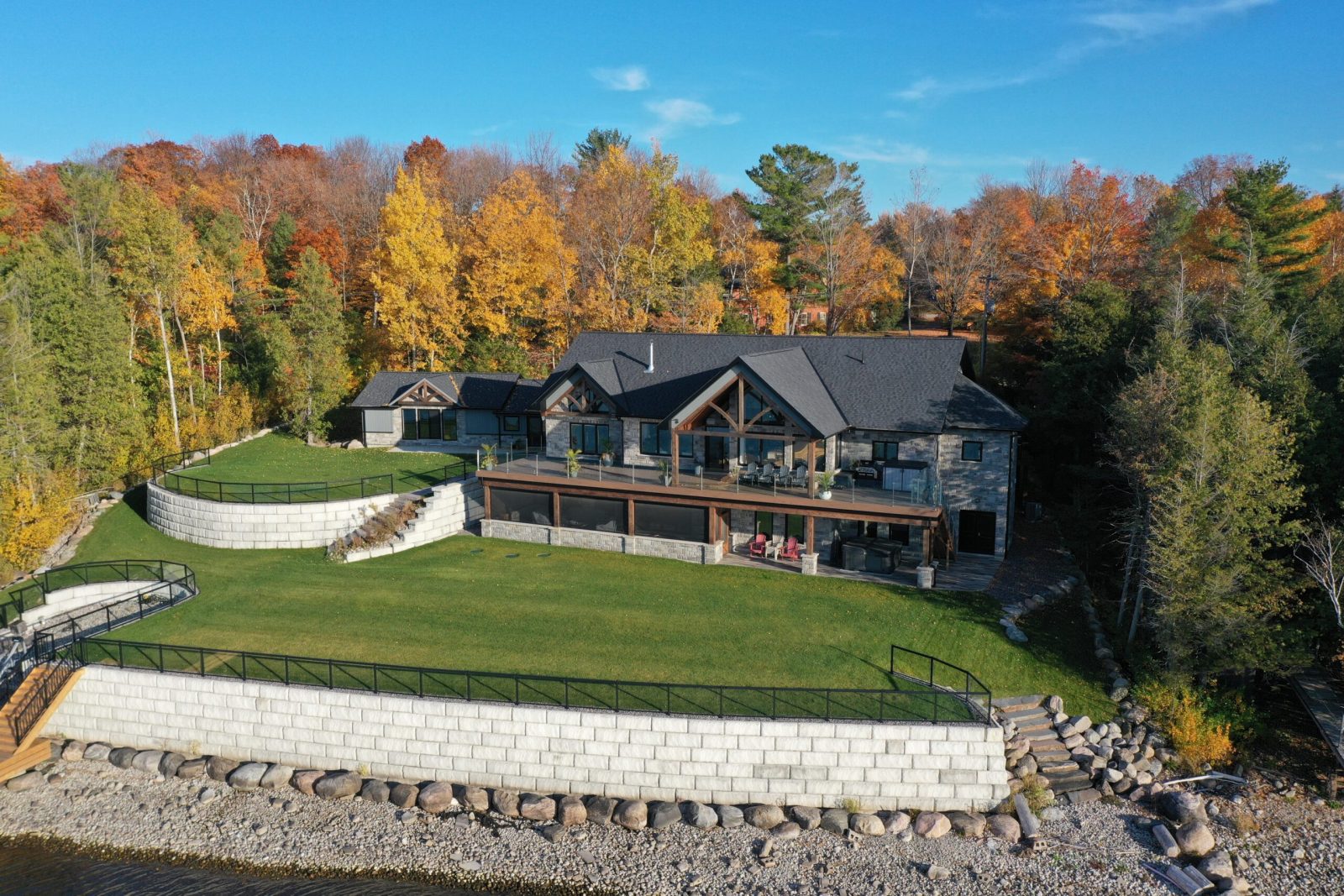
Thermally modified decking boards are well-suited to potentially wet outdoor applications like pool decks, patios, walkways, and waterfront builds. The treatment gives decking natural resistance to moisture, insects, and decay while reducing checking and cupping from season to season. Manufacturers like ThermalWood Canada decking products overview offer warranties of up to 25 years as well as options for UV finishes that help retain colour, although many homeowners like the silver patina that develops over time when left untreated.
Siding and exterior cladding
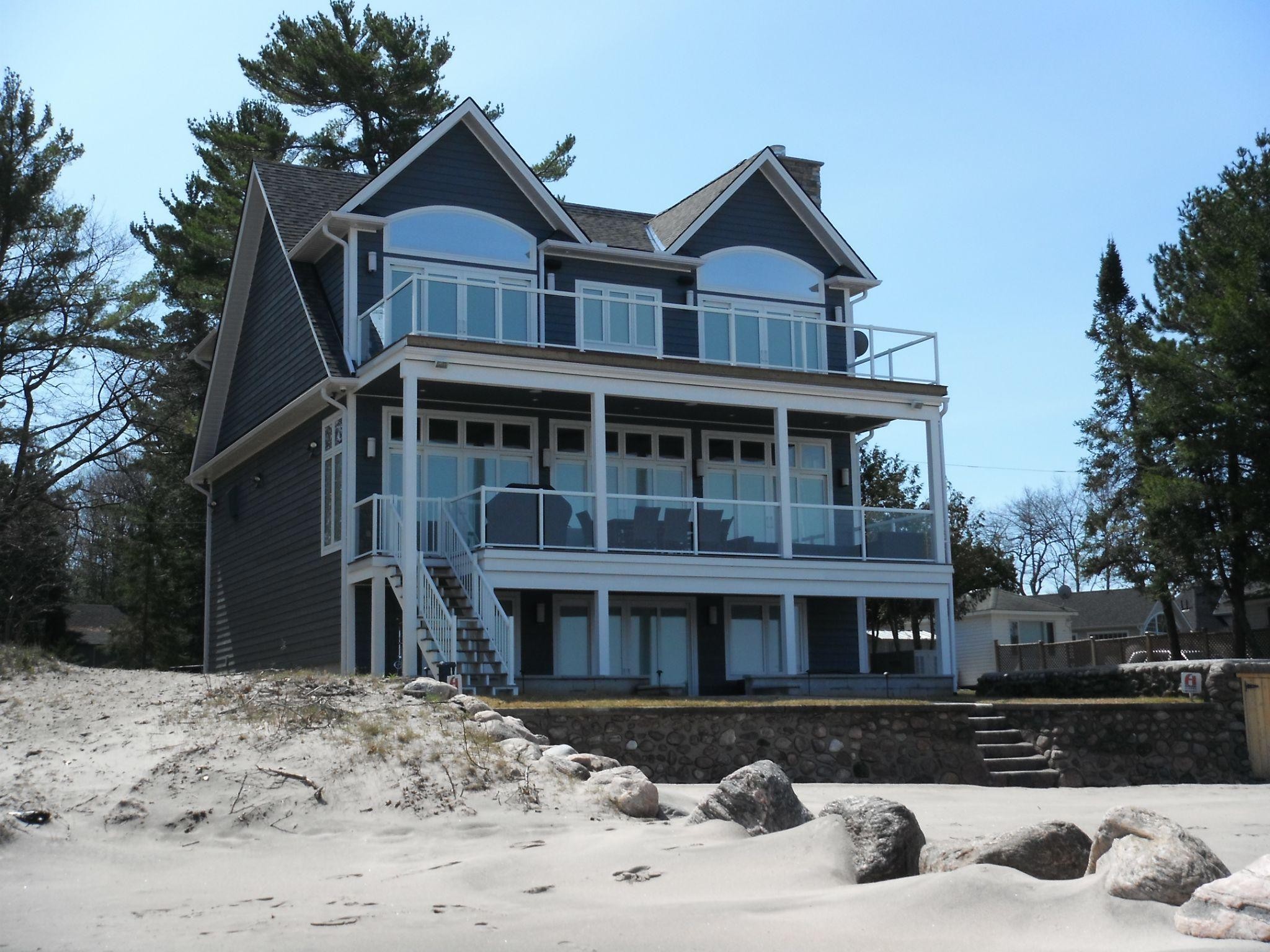
Thermally modified siding brings the same resistance and stability benefits to building envelopes. Boards are less likely to deform in wet climates and offer enhanced dimensional stability compared with untreated wood. That makes them ideal for rainscreen systems, lap siding and decorative façades. Some products also feature design-friendly fastener systems to improve finished appearance. Enhanced stability also contributes to slight insulation gains and longer service life.
Interior cladding
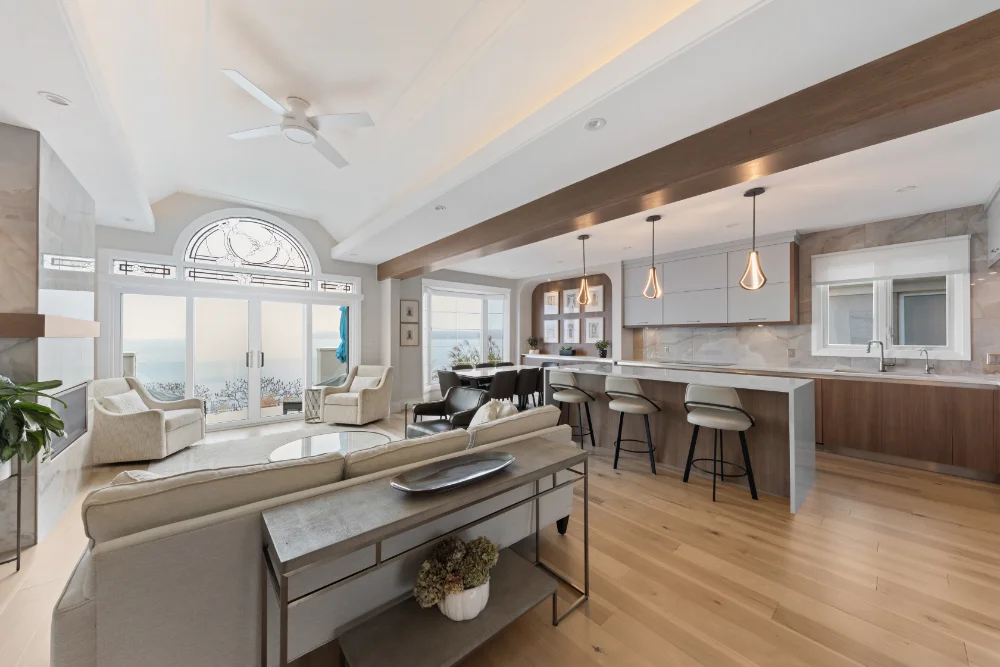
Inside the home, thermally modified wood brings natural character along with technical benefits. Less moisture movement means fewer cracks or gaps developing in feature walls, ceilings, or paneling. If you’re looking for a natural-wood look for your interior ceilings or accent walls, thermally modified wood is a good option.
Cost, strength & installation
Thermally modified wood costs more upfront than untreated lumber because of the specialized processing. But a long service life and reduced maintenance can offset that cost over time. While the heat treatment process improves decay resistance, it can make wood somewhat more brittle and reduce mechanical strength.
That doesn’t usually matter for decking or cladding, and thermally modified wood is almost never used for load-bearing or high-stress applications. It’s lighter than untreated wood, making it easy to work with, but it’s also slightly more brittle, requiring sharp tools and care to avoid splits.
A great choice for aesthetics and longevity
Thermally modified wood is a compelling alternative to both traditional pressure-treated lumber and composite materials when you want natural aesthetics, durability, and eco-friendly performance. As with premium composite, the higher up-front cost is offset with reduced maintenance and longevity.
If you’re weighing options for your next build or renovation, ask us about thermally modified wood—it could be a design feature you love. To find out more, please get in touch at your convenience.